Your guide pulls over at the gate, looks at your navy fleece, and asks if you packed anything lighter. It sounds like a strange thing to fuss over on your first morning. This is not fussing. Dark blue and black are the two colors that draw tsetse flies fastest. A bite from one hurts far more than a mosquito’s. Family groups packing for a first Kenya trip run into this rule buried in generic packing lists. Some never see it at all. Touring Insights pulled the full picture together here. Below you will find why the color matters, which parks carry the highest risk, and what to pack instead.
What Tsetse Flies Are and Why They Matter on Safari
Tsetse flies are stocky, biting flies found across much of sub-Saharan Africa, including several Kenya safari regions. Unlike a mosquito’s quiet landing, a tsetse bite feels like a sharp pinch through fabric. It often draws a small welt that itches for days. The flies favor thick bush, riverine woodland, and dense acacia thicket, the same terrain that shelters plenty of game.
They also matter for a bigger reason. Tsetse flies are the only carrier of African trypanosomiasis, known as sleeping sickness. Kenya’s risk is low and sits in specific rural pockets far from the main tourist circuits. Still, the flies themselves are common enough in some parks that avoiding bites is worth real planning, not an afterthought.
The Science: Why Dark Blue and Black Attract Tsetse Flies
Tsetse flies hunt visually. They track moving shapes and strong contrast against the bush background. Mosquitoes rely on scent instead, so this is a different game. Dark blue and black create the sharpest contrast against dry grass and pale soil. A tsetse fly spots a navy shirt or black daypack from much farther away than it spots khaki or cream.
Researchers studying tsetse traps in East Africa have used this exact preference for decades. Traps built for tsetse control programs are dyed blue and black on purpose. The color draws flies in from a wide radius. Wearing those same colors on a game drive turns your clothing into a smaller, walking version of that trap. Light colors work the opposite way. They blend into dry-season bush and give the fly less to lock onto.
Which Kenya Safari Areas Have the Highest Tsetse Risk
Tsetse density varies a lot by park. Open, short-grass reserves carry less risk than parks with thick riverine bush or miombo-style woodland. The table below covers the areas where travelers report the most tsetse activity. It lists real park sizes and current entry fees so you can weigh risk against your itinerary.
| Park or Reserve | Size (km2) | Non-Resident Daily Fee (2026) | Tsetse Risk Level |
|---|---|---|---|
| Tsavo East National Park | approx. 13,747 km2 | USD 80/day | High, thick riverine bush along the Galana River |
| Tsavo West National Park | approx. 9,065 km2 | USD 80/day | High, dense woodland near Mzima Springs |
| Meru National Park | approx. 870 km2 | indicative USD 60-75/day (confirm on KWS eCitizen) | High, heavy vegetation along the Tana tributaries |
| Samburu National Reserve | approx. 165 km2 | indicative USD 70-100/day (confirm with reserve authority) | Moderate to high, riverine doum palm belts |
| Masai Mara National Reserve | approx. 1,510 km2 | USD 100/day (Jan-Jun), USD 200/day (Jul-Dec) | Low to moderate, mostly open grassland |
Tsavo East‘s main gate at Voi sits roughly 333 km from Nairobi. That is about a 4.5 to 5 hour drive on the A109 and A23. Samburu National Reserve is about 325 km north of Nairobi, a 5 to 6 hour drive by road. A light-aircraft flight to Samburu’s Kalama or Oryx airstrips takes roughly 1 hour instead. Your itinerary might already include Tsavo, Meru, or Samburu. If so, tsetse-aware packing matters more than it would on a Mara-only trip.
What Colors to Wear Instead
Guides consistently recommend khaki, beige, tan, and other light neutrals for exactly this reason. These colors do two jobs at once. They cut down on tsetse contrast. The lighter fabric also stays cooler and hides dust better across a long game drive day. Olive and light gray work almost as well as khaki. White holds up against tsetse contrast too, but it shows dirt fast and can flash clearly to other wildlife. Most guides steer you toward muted tones instead.
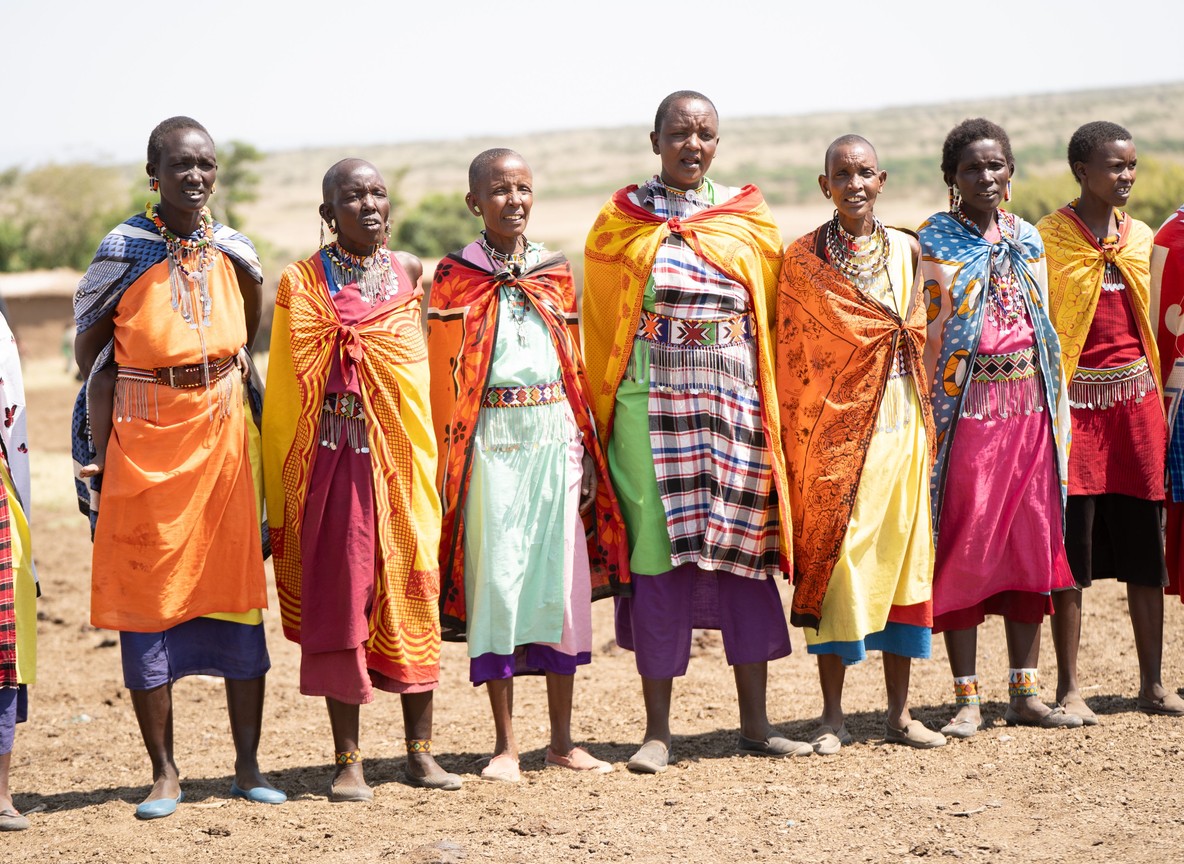
Steer clear of bright colors too, not just dark ones. Reds and oranges can agitate some animals, especially buffalo. They also stand out sharply against the bush. That is true both for flies and for the wildlife you are trying not to spook. A simple rule covers most of it. Pack a palette of khaki, sand, and light olive. Leave the navy, black, and bright primaries at home for this trip.
Beyond Color: Other Ways to Reduce Tsetse Bites
Color choice helps, but it is only one layer. Tsetse flies can bite through thin fabric. A lightweight long-sleeve shirt and long trousers in a tighter weave block more bites than color alone. Permethrin-treated clothing, sold at most outdoor gear retailers, adds a real layer of protection. It holds up through several washes too.
Tsetse flies are not drawn to sweat or scent the way mosquitoes are. Heavy perfume is not the main issue here. Still, pack unscented sunscreen and insect repellent, since you will want mosquito protection once the sun drops anyway. Keep windows up during the stretches your guide flags as high-density tsetse zones, usually thick riverine sections. That alone cuts your bite count further, with little extra effort.
Is Tsetse-Borne Sleeping Sickness a Real Risk in Kenya?
For a typical safari itinerary, no, not meaningfully. Kenya’s confirmed sleeping sickness cases cluster in specific rural areas far from the main safari circuit. The strain most linked to severe illness sits mainly in Uganda and further west in Central Africa. Camps and lodges in Tsavo, Meru, and Samburu operate daily without incident. Staff who live in these areas year-round take the same clothing precautions guests do.
The practical goal is comfort, not crisis management. A tsetse bite through a navy shirt sleeve is unpleasant enough to ruin an afternoon game drive. That is reason enough to pack around it, even without the rarer disease risk factored in.
Building a Safari Wardrobe Around This Rule
Most travelers only need to adjust a few items, not rebuild an entire suitcase. A workable list looks like this: two or three khaki or olive long-sleeve shirts. Add one pair of light-colored trousers that convert to shorts. Round it out with a wide-brim hat in a neutral tone. Pick a daypack in tan or gray rather than black. Save your navy travel layers for airports and evenings at camp. Tsetse exposure there is close to zero anyway.
If you already own mostly dark travel clothing, you do not need a whole new wardrobe. Just swap in light colors for the clothes you will wear on actual game drives in Tsavo, Meru, or Samburu. Everything else can stay as is.
Explorer Notes
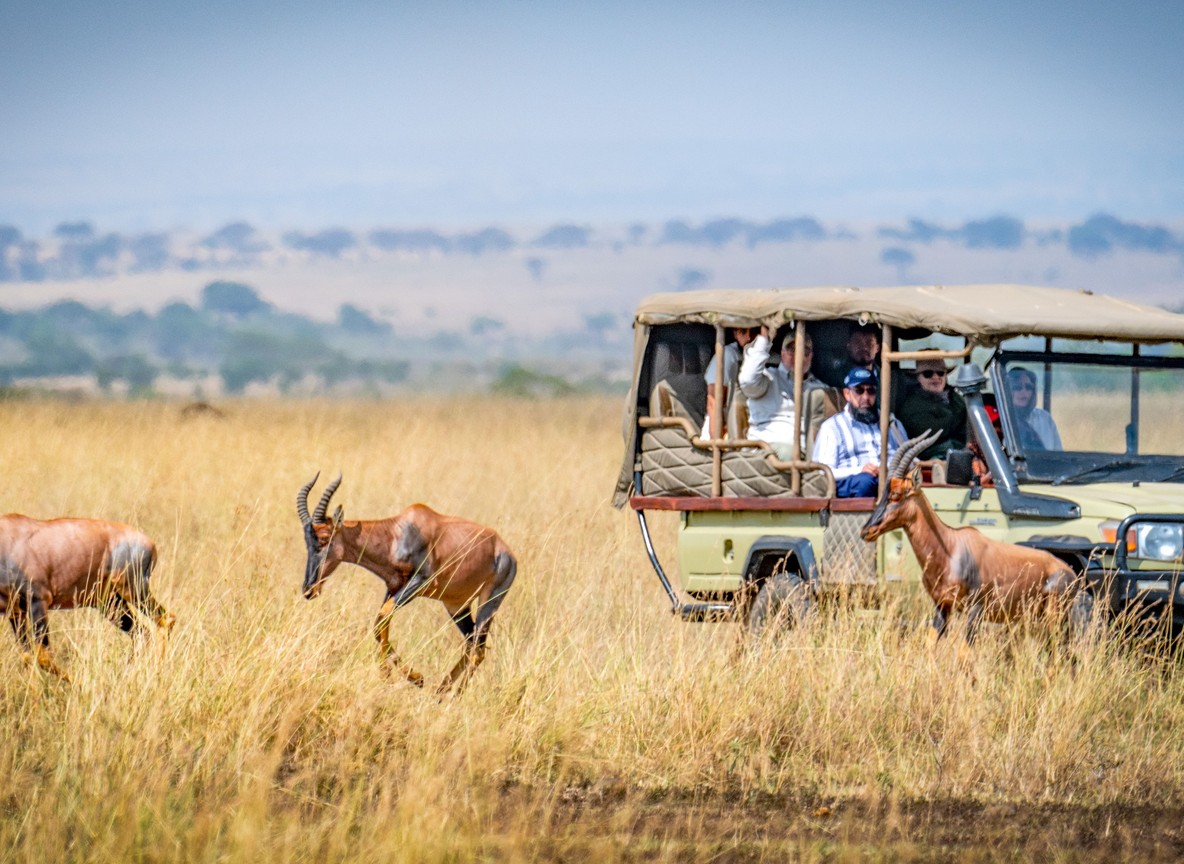
A detail most packing guides skip: tsetse flies are strong fliers. They can keep pace with a slow-moving vehicle for short bursts. Closing a window in a known hotspot works better than swatting once one gets inside. Guides in Tsavo also point out that mid-morning and late afternoon bring the most tsetse activity. The flies are less aggressive during the hottest midday hours. If you are shopping locally rather than packing from home, khaki and olive shirts are easy to find. Nairobi’s outdoor gear shops carry them, so pick some up before you head to the parks. A missed pack is not a crisis.
What to Read Next
- Building your full gear list before you fly? Check our Kenya safari packing list.
- Planning a Tsavo leg of your trip? See our Kenya walking safari parks compared.
- Weighing a self-drive itinerary through tsetse country? Read our self-drive vs guided Masai Mara guide.
FAQ
Do tsetse flies really prefer dark blue and black clothing? Yes. Tsetse flies hunt by sight and are drawn to strong visual contrast against the bush. Dark blue and black stand out the most. That is also why tsetse control traps are dyed those colors on purpose.
Which Kenya parks have the most tsetse flies? Tsavo East, Tsavo West, Meru, and Samburu see the most tsetse activity. This is largely because of their thick riverine bush and woodland. Open grassland areas like the central Masai Mara carry noticeably lower risk.
Is a tsetse fly bite dangerous? A single bite is usually just painful and itchy, similar to a bee sting. It resolves on its own within a few days. Sleeping sickness from tsetse flies in Kenya’s main safari areas is rare. It is not a realistic concern for a standard trip.
What should I wear instead of dark colors on a game drive? Khaki, beige, tan, and light olive are the safest bets. They reduce tsetse contrast and stay cooler in the heat. These lighter tones also hide dust better than darker fabrics across a full day in the vehicle.
Do I need permethrin-treated clothing for a Kenya safari? It is not mandatory, but it adds a useful extra layer if your itinerary includes Tsavo, Meru, or Samburu. Combine it with light colors and a tighter weave for the best protection.
Ready to build the rest of your kit around the parks you are actually visiting? Visit our Tour Packages page to compare itineraries across Tsavo, Samburu, and the Mara. Check with your chosen partner operator about current on-the-ground conditions before you pack.
Further reading
More safari planning resources
- Tsavo East and West map from SafariPure
- Map of Tsavo from Valley Safaris
- Tsavo complete guide on Touring Insights
- Tsavo destination guide on FindMySafari
Related guides: Amboseli Fly vs Drive: A Practical Transport Guide for 2026, Amboseli Fly vs Drive: Which Transport Option Fits Your Safari?.